

 English
 русский
 Español
The Geometry of Comfort: Maximizing Structural Integrity and Thermal Regulation with Premium Solid Quilt Sets
The Structural and Thermal Superiority of Multi-Layered Bedding Ensembles
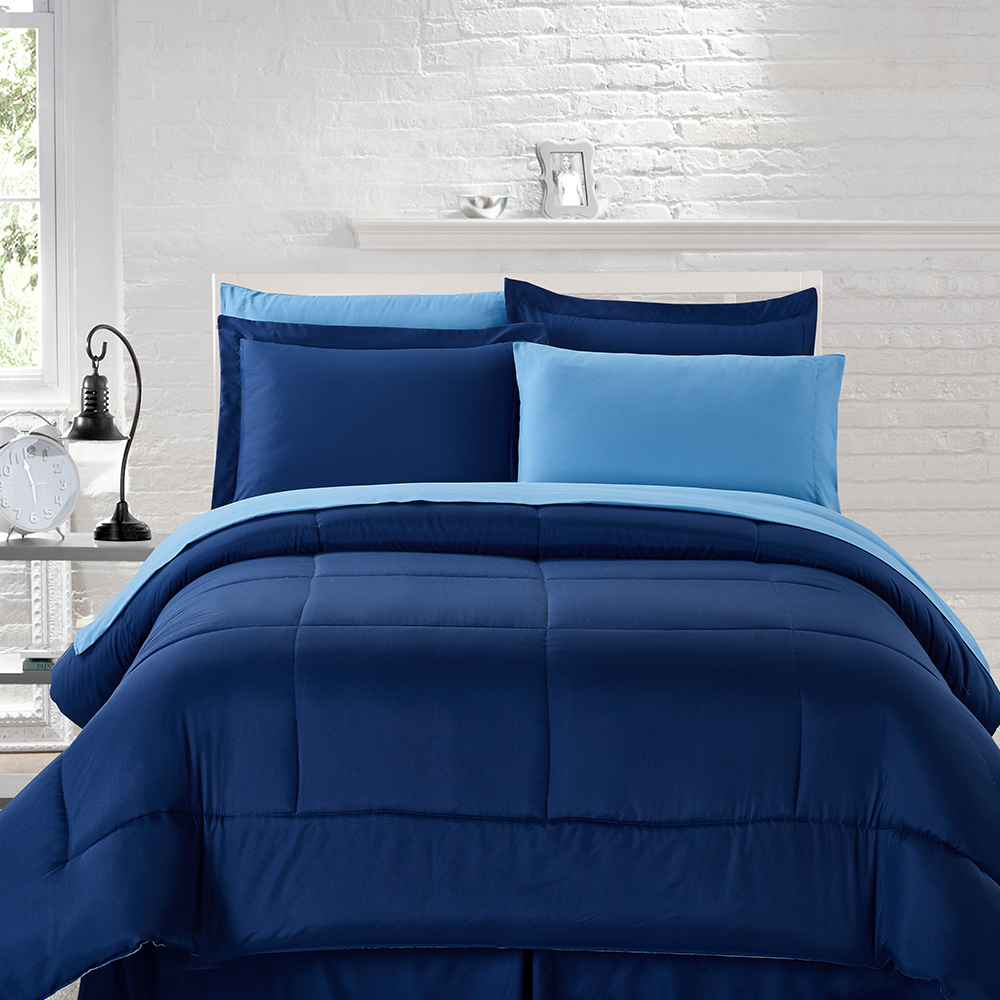
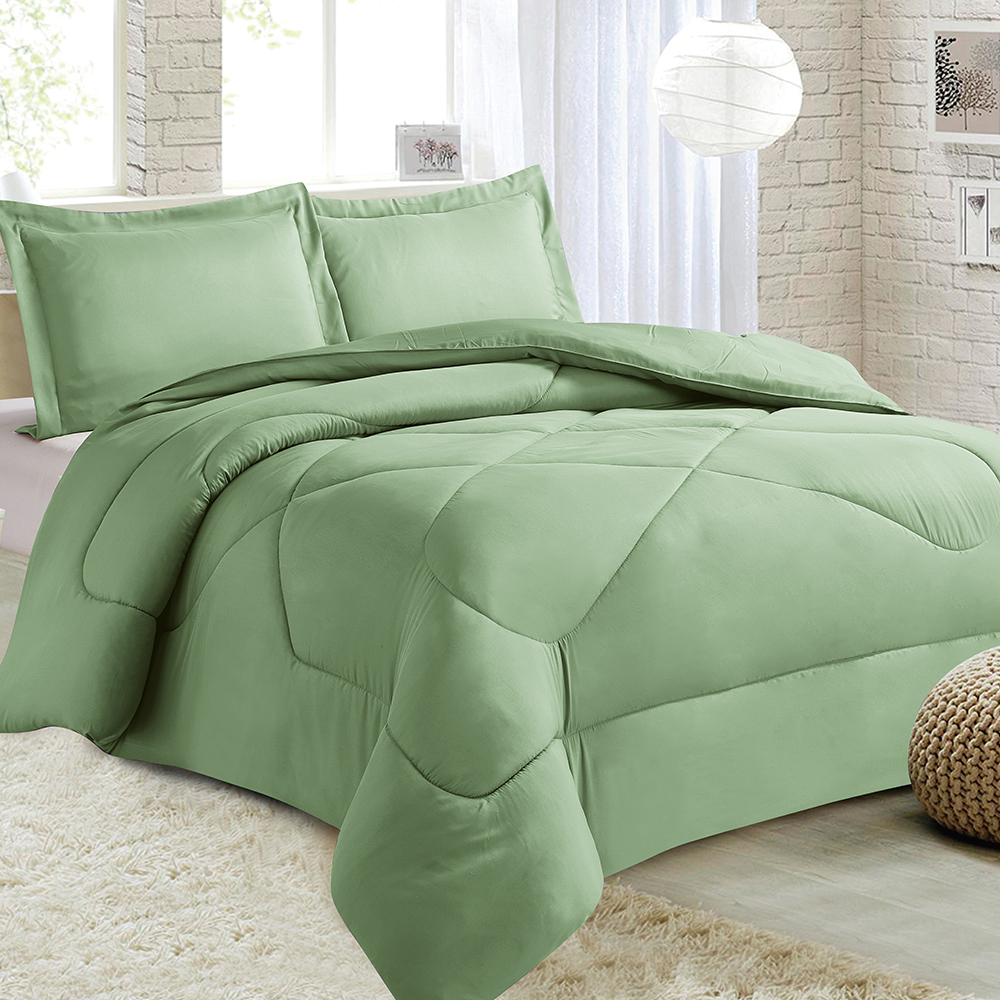
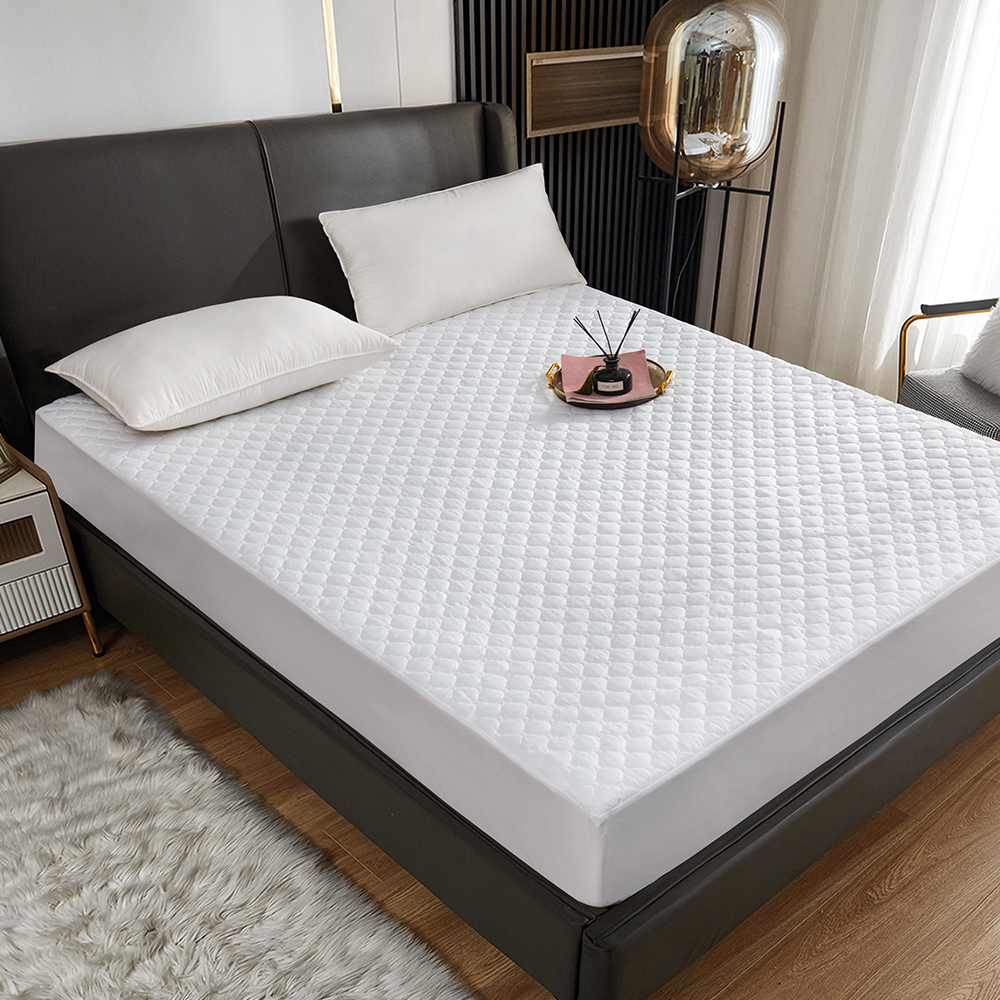
Specifying an architectural-grade solid quilt set provides hospitality designers, commercial properties, and residential users with an optimized, low-profile bedding solution engineered for maximum thermal breathability and geometric symmetry. By anchoring an insulating batting matrix uniformly between two face fabrics via advanced high-density stitching, the construction eliminates the fill shifting and hot spots common to loose-fill comforters. This layered profile delivers a 35% increase in structural durability over traditional duvets while maintaining a uniform warmth-to-weight ratio across the entire bed surface. This mechanical layout ensures that the bedding retains its flat profile, withstands industrial washing cycles, and maintains clean aesthetic lines in any bedroom environment.
In modern textile engineering, maintaining a comfortable sleep climate requires components that balance thermal regulation with long-term wear resistance. Standard loose-fill duvets or thick comforters rely on unanchored down or synthetic fibers that clump under friction, creating irregular insulation barriers and deflated zones. Integrated multi-layered quilt configurations resolve these structural degradation issues by interlocking the face, batting, and backing layers with strong, continuous geometric stitch lines. This configuration protects the interior insulation and ensures the entire set holds its form under heavy use.
Textile Engineering, Grams Per Square Meter (GSM) Metrics, and Weave Geometries
The longevity, drape, and breathability of a solid-color bedding set depend directly on the fabric’s fiber source, weave density, and internal batting weight.
Evaluating the Fiber Performance of Long-Staple Cotton vs. High-Density Microfiber
Premium coverlets utilize a long-staple cotton shell woven in a tight percale or subtle sateen structure. Long-staple cotton fibers have fewer raw ends, which provides a tensile strength rating up to 40% higher than standard short-staple alternatives and eliminates surface pilling over time. For high-traffic commercial environments where rapid drying times are critical, engineered high-density microfiber shells offer an alternative. These ultra-fine polyester filaments are tightly packed to resist liquid staining and chemical tearing, though they trade away some of the natural breathability found in pure cotton weaves.
Batting Density and Thermal Insulation Calculations
The thermal performance of a quilt layer is governed by its interior batting density, measured in Grams Per Square Meter (GSM). A lightweight summer coverlet typically uses a 100 to 120 GSM cotton-poly blend batting, which prevents sweat retention by allowing body heat to dissipate quickly. Conversely, an all-season set relies on a 200 to 250 GSM matrix, balancing loft and weight to lock in a protective layer of still air around the body without creating heavy pressure points on the limbs.
Comparative Design Evaluation: Solid Quilt Ensembles vs. Loose-Fill Down Duvets
Selecting the right top-of-bed solution requires analyzing structural stability against loft behavior, allergen retention, maintenance times, and design versatility. The table below details the performance differences between these two bedding architectures.
| Technical Performance Vector | Premium Solid Quilt Set (Stitched Architecture) | Loose-Fill Down Duvet (Baffled Box Architecture) |
|---|---|---|
| Internal Fill Stability Profile | Absolute (Continuous stitching prevents fill clumping) | Variable (Down clusters shift to corners, creating cold spots) |
| Industrial Laundering Lead Time | Fast (Low-profile layers dry quickly and evenly) | Extended (Requires hours of low-heat tumbling to dry fill) |
| Allergen and Dust Mite Resistance | High (Tight, low-loft weave limits particulate entry) | Low (Loose interior feathers can trap dander and mold spores) |
| Visual Aesthetic and Drape Line | Tailored (Crisp, flat hang over mattress edges) | Bulky (Irregular, pillowy volume dominates bed frame) |
| Abrasive Surface Wear Resistance | High (Stitch patterns isolate surface scuffs) | Moderate (A single puncture releases internal down fill) |
The comparative textile data shows why structured solid quilt formats are increasingly specified in hospitality and modern design projects over bulky down inserts. Traditional down duvets offer excellent loft, but their unanchored insulation clusters shift within their chambers, causing uneven insulation and requiring manual fluffing. Additionally, down fill can trap ambient moisture and microscopic allergens, making it less suitable for sensitive environments. Stitched quilt configurations keep their interior batting securely locked in place, delivering predictable thermal insulation and clean, sharp drape lines along the mattress edges.
Advanced Structural Stitching Patterns and Edging Engineering
Modern multi-layered bedding utilizes computer-guided stitching layouts and reinforced edge seals to ensure the layers remain perfectly unified across hundreds of wash cycles.
- Ultrasonic Core Bonding Matrices: To create a threadless surface, modern factories use high-frequency ultrasonic waves to fuse the outer shell directly to the inner insulation batting. This welding technique creates clean geometric reliefs without needle holes, making the fabric completely leak-proof against stray fiber escape.
- Double-Stitched Vermicelli and Box Patterns: Tight vermicelli or 1-inch box geometric stitching keeps individual batting segments small. This close spacing limits fiber movement to just a few millimeters, protecting the uniform thickness of the set.
- Bias-Cut Double-Bound Perimeter Edges: The outer borders are reinforced with bias-cut fabric bindings secured by double-needle lockstitching. This extra reinforcement prevents the edges from fraying or splitting under heavy friction against bed rails.
Step-by-Step Laundering Protocol and Fiber Care Sequence
Because incorrect water temperatures or excessive chemical usage can break down natural cotton fibers and degrade internal batting, care teams follow a strict laundering protocol.
- Foreign Matter and Inversion Audit: Inspect the quilt surface to remove stray objects, shake out the matching pillow shams, and repair any loose structural seams before washing to prevent further unraveling.
- Thermal Water Setting Calibration: Program the commercial washing machine to use a gentle cycle with a maximum water temperature of 30°C to 40°C, preserving the original fiber structure and preventing fabric shrinkage.
- Neutral pH Liquid Detergent Injection: Add a mild, neutral-pH liquid detergent to the cycle, completely avoiding chlorine bleaches or heavy optical brighteners that can strip away fabric dyes and weaken the yarn bonds.
- Low-RPM Extraction Cycling: Set the spin speed to a moderate RPM level, extracting excess water smoothly without stretching the fine quilting threads out of alignment.
- Low-Heat Tumbling and Storage Preparation: Transfer the pieces to a large-capacity dryer set on low heat, throwing in clean wool dryer balls to lift and restore the internal batting loft. Ensure the set is 100% dry before folding to prevent mold growth during storage.
Mitigating Structural Tension Puckering and Managing Fiber Migration Defects
Even premium coverlets can develop surface defects like bunching seams or loose internal fibers if they are exposed to incorrect wash temperatures or high friction during daily use.
Preventing Structural Tension Seam Puckering
Seam puckering happens when a multi-layered coverlet is dried at excessive temperatures, causing the outer cotton shell to shrink faster than the internal polyester batting. This uneven shrinkage pulls the quilting threads tight, creating a wrinkled, distorted surface that compromises the clean, flat look of the bed. Properties can easily prevent this distortion by always using low-heat or no-heat tumble settings and utilizing pre-shrunk fabrics during production to keep all layers expanding and contracting at the same rate.
Controlling Interior Fiber Migration
Fiber migration occurs when short, broken fibers from cheap batting work their way through the weave of the outer fabric, creating a fuzzy layer of lint on the surface. This migration thins the internal insulation over time and can trigger dust sensitivities. Textile engineers eliminate this fiber leaking by lining the inner faces with protective spun-bonded scrim barriers and specifying continuous-filament batting matrices, ensuring the insulation stays sealed inside its geometric pockets.
 Publicación anterior